
Get Flood Damage Restoration in Dallas County, TX
Flood damage restoration services for Dallas County property owners address water extraction, structural drying, mold prevention, and repair of affected areas.
Flood damage restoration services are essential for property owners in Dallas County, TX seeking to protect their investments from the destructive effects of water intrusion. These services help eliminate excess moisture, mold, and structural damage caused by flooding, ensuring the safety and stability of a property. Restoring a property promptly can prevent further deterioration, reduce long-term repair costs, and restore comfort by creating a safe and healthy living or working environment.
Choosing professional flood damage restoration can also enhance the durability and functionality of a property. Proper restoration methods help maintain the integrity of building materials, improve curb appeal, and minimize ongoing maintenance needs. This holistic approach ensures that properties remain resilient against future water-related issues, providing peace of mind for property owners in Dallas County.
- Flood Damage Restoration services are essential after heavy rainstorms or flooding events that cause water intrusion into properties.
- Basement or crawl space flooding in Dallas County, TX may require professional cleanup and drying to prevent further damage.
- Water intrusion from plumbing failures or pipe bursts can necessitate immediate restoration to minimize structural issues.
- Flooded commercial buildings in nearby areas may need specialized services to restore operations and prevent mold growth.
- Storm surge or river flooding in coastal regions can lead to extensive water damage requiring comprehensive restoration solutions.
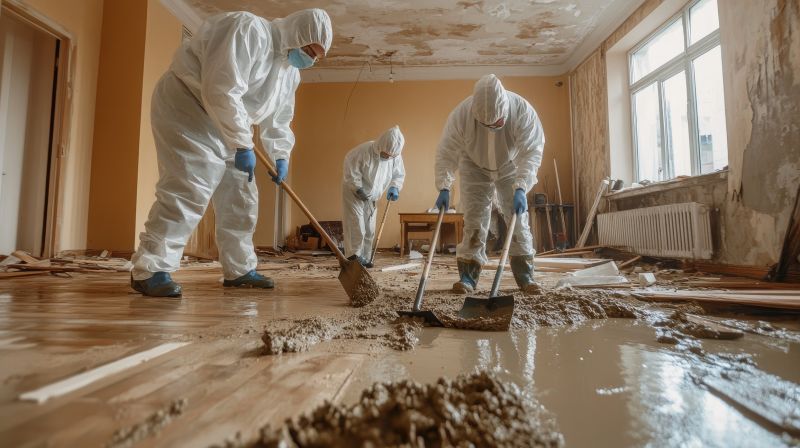
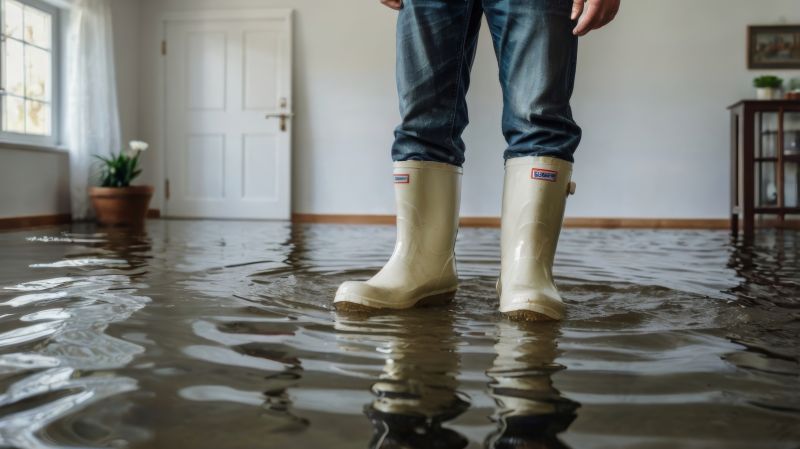

Flood damage restoration services involve the assessment, removal, and cleaning of properties affected by water intrusion. When flooding occurs, water can seep into floors, walls, and structural components, leading to potential long-term issues if not addressed promptly. Restoration professionals utilize specialized equipment and techniques to extract standing water, dry out affected areas, and prevent further deterioration. The goal is to restore the property to its pre-flood condition while minimizing the risk of mold growth and structural damage.
These services help resolve common problems associated with flooding, such as mold development, wood rot, and compromised building materials. Water can carry contaminants that pose health risks, making thorough cleaning and disinfection essential. Restoration experts also identify hidden damage behind walls or beneath flooring that may not be immediately visible, ensuring comprehensive remediation. Proper flood damage restoration can prevent costly repairs and further deterioration over time.
Flood damage restoration is typically sought for residential, commercial, and industrial properties that experience water intrusion from natural flooding, burst pipes, or plumbing failures. Homes, office buildings, warehouses, and retail spaces are among the types of properties that often require these services. The scope of work varies depending on the extent of the flooding, but the primary focus remains on removing water, drying out the space, and restoring structural integrity.
Property owners in flood-prone areas or those affected by unexpected water events frequently utilize flood damage restoration services. These professionals are equipped to handle various levels of water damage, from minor leaks to severe flooding scenarios. Contacting local service providers can help property owners find the necessary expertise to address water damage efficiently, ensuring the safety and stability of their properties.
The overview below groups typical Flood Damage Restoration projects into broad ranges so you can see how smaller, mid-sized, and larger jobs often compare in Dallas County, TX.
In many markets, a large share of routine jobs stays in the lower and middle ranges, while only a smaller percentage of projects moves into the highest bands when the work is more complex or site conditions are harder than average.
Assessment Costs - The initial evaluation of flood damage typically ranges from $200 to $1,000, depending on the extent of the affected areas. Larger or more complex assessments may cost more, especially in extensive property damages.
Water Extraction - Removing standing water generally costs between $1,000 and $3,500. The price varies based on the amount of water and the size of the affected space.
Structural Repairs - Restoring damaged structures can range from $2,500 to over $10,000 or more. Costs depend on the severity of damage and the materials needed for repairs.
Mold Remediation - Addressing mold growth after flooding can cost between $500 and $6,000. The total depends on the mold extent and the necessary remediation procedures.
Actual totals will depend on details like access to the work area, the scope of the project, and the materials selected, so use these as general starting points rather than exact figures.
Flood Damage Restoration - Local service providers specialize in restoring properties affected by floodwaters, including water extraction and structural drying.
Water Extraction Services - Pros offer efficient water removal solutions to minimize damage and prevent mold growth after flooding incidents.
Mold Remediation - Contractors address mold growth caused by excess moisture from floods, helping to restore indoor air quality and property safety.
Structural Drying - Experts utilize specialized equipment to thoroughly dry building components impacted by floodwaters, reducing long-term damage risks.
Contents Restoration - Service providers assist in salvaging and restoring personal belongings and furnishings affected by flood damage.
Insurance Claim Assistance - Local pros can guide property owners through the insurance process related to flood damage repairs and restoration.
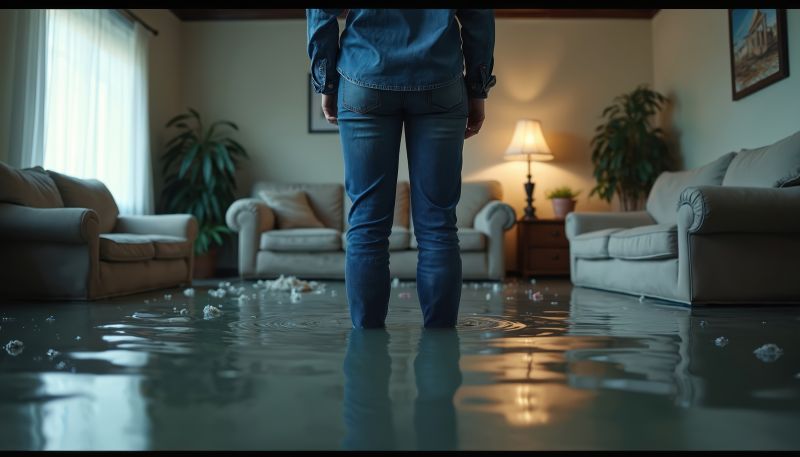
When evaluating flood damage restoration services, it is important to consider the experience of local contractors. An experienced provider will have a history of managing a variety of flood-related issues, which can contribute to a more effective and efficient restoration process. Homeowners should inquire about the length of time a contractor has been working in the area and their familiarity with common challenges faced by properties affected by flooding in Dallas County and nearby regions. A contractor’s track record can offer insights into their ability to handle complex situations and deliver quality results.
Clear communication and well-defined written expectations are essential when working with flood damage restoration professionals. Reputable local service providers typically outline the scope of work, the steps involved, and any necessary preparations or post-restoration considerations. This transparency helps homeowners understand what to expect and facilitates a smoother restoration process. Homeowners are encouraged to ask potential contractors about their communication practices and how they ensure clients are kept informed throughout the project.
References from previous clients and reputable sources can serve as valuable indicators of a contractor’s reliability and quality of work. Local pros often have a portfolio of completed projects or testimonials from satisfied customers that can be reviewed. Additionally, seeking recommendations from friends, family, or trusted neighbors in the community can help identify service providers with a proven history of satisfactory flood damage restoration. Since this platform connects homeowners with local pros, it’s important to verify the reputation and credibility of contractors before making a selection, ensuring a dependable and professional restoration experience.
Property owners in Dallas County, TX use Flood Damage Restoration services for practical projects around their homes and businesses. The sections below highlight everyday jobs and straightforward project options.
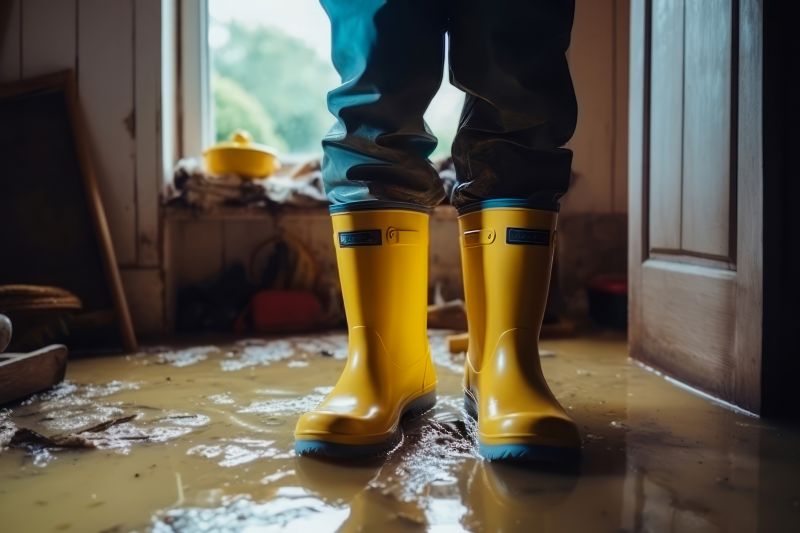
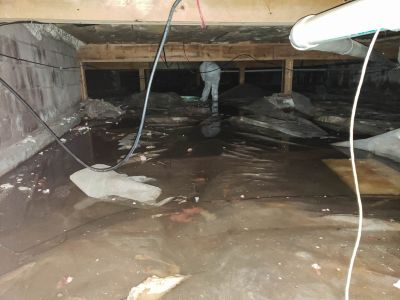
Flood damage restoration services are often sought after by property owners in Dallas County, TX following heavy rains or unexpected flooding events. When water infiltrates homes or businesses, it can cause structural issues, damage to flooring, walls, and personal belongings. Local service providers are available to assess the extent of water intrusion, remove standing water, and begin the drying process to prevent further deterioration and mold growth.
Property owners may also look for flood damage restoration when dealing with residual moisture after a flood event or plumbing failure. Restoring a property involves cleaning and sanitizing affected areas to reduce health risks and restore the space to a safe condition. Local contractors in Dallas County are equipped to handle these situations efficiently, helping to mitigate damage and support property recovery efforts.
What are the initial steps after flood damage occurs? It is recommended to contact local flood damage restoration professionals who can assess the extent of water intrusion and begin the cleanup process promptly.
How do restoration services remove water from affected areas? Local service providers typically use specialized equipment such as pumps and industrial dryers to extract water and dry out the space efficiently.
Can mold growth be prevented after flooding? Professional restoration services often include mold prevention measures, such as thorough drying and disinfection, to reduce the risk of mold development.
Is it necessary to replace damaged building materials? A local expert can evaluate the extent of damage and determine whether materials like drywall or carpeting need replacement or can be salvaged.
How long does flood damage restoration usually take? Restoration duration varies depending on the severity of flooding and affected areas; a local professional can provide an estimated timeline after inspection.
Flood Damage Assessment
- Local flood damage restoration specialists can evaluate the extent of water intrusion and identify affected areas to develop an effective recovery plan.Water Extraction Services
- Professional service providers utilize specialized equipment to remove standing water quickly, helping to minimize further damage and mold growth.Structural Drying and Dehumidification
- Pros employ industrial-grade drying tools to thoroughly dry out affected structures, reducing the risk of long-term issues.Mold Prevention and Remediation
- Local experts can treat areas prone to mold growth after flooding, helping to maintain a safe indoor environment.
Considering Flood Damage Restoration for a property in Dallas County, TX? The sections above highlight common project types, practical options, and details that often shape the scope of work.
When you are ready, use the quote form to share a few details about your project. Local pros can review the basics and respond with options that match what you have in mind.